
Understanding Cupping Therapy and Its Benefits
- Malgorzata Kartanowicz
- Dec 26, 2025
- 4 min read

Cupping therapy has gained popularity in recent years, becoming a sought-after treatment for various ailments. This ancient practice, rooted in traditional medicine, involves placing cups on the skin to create suction. But what exactly is cupping therapy, and how can it benefit you? In this post, we will explore the history, techniques, benefits, and considerations of cupping therapy, providing you with a comprehensive understanding of this intriguing practice.
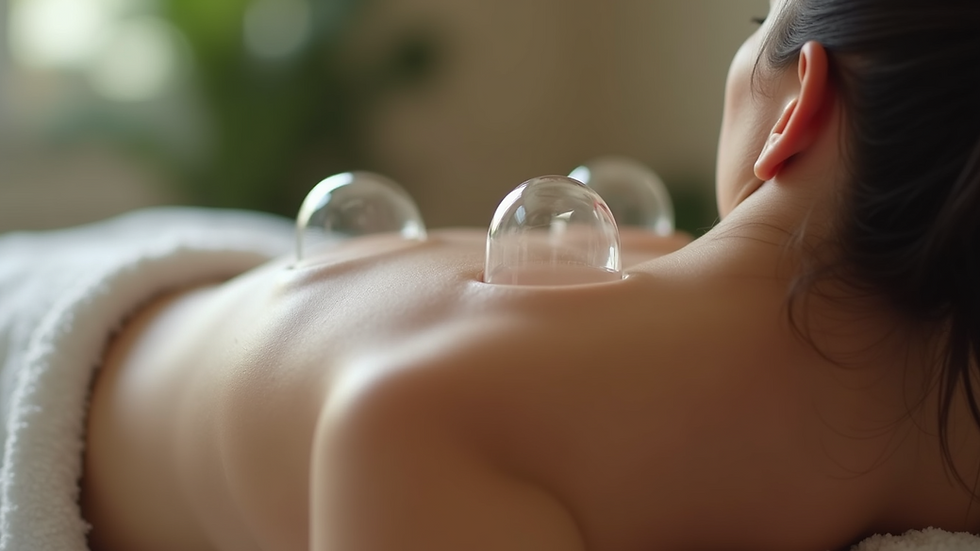
What is Cupping Therapy?
Cupping therapy is a form of alternative medicine that has been practiced for thousands of years. Originating from ancient Chinese medicine, it has also been used in Middle Eastern and Eastern European cultures. The therapy involves creating a vacuum inside cups, which are then placed on the skin. This suction pulls the skin and underlying tissues into the cup, promoting blood flow and healing.
Types of Cupping
There are several types of cupping therapy, each with its unique approach:
Dry Cupping: This is the most common form, where cups are placed on the skin without any incisions. The suction is created using heat or a mechanical pump.
Wet Cupping: Also known as hijama, this method involves making small incisions on the skin before applying the cups. The suction draws out a small amount of blood, which is believed to remove toxins.
Fire Cupping: In this traditional method, a flame is used to heat the air inside the cup before placing it on the skin. As the air cools, it creates suction.
Massage Cupping: This technique combines cupping with massage. The cups are moved across the skin, providing a massage-like effect while still promoting blood flow.
The History of Cupping Therapy
Cupping therapy dates back to ancient civilizations. The earliest records of cupping can be traced to Egypt around 1550 B.C., where it was documented in the Ebers Papyrus, an ancient medical text. The practice was later adopted by the Chinese, who integrated it into their traditional medicine system.
Throughout history, cupping has been used to treat various ailments, including respiratory issues, muscle pain, and digestive disorders. Its popularity surged in the 20th century, particularly in the West, as athletes and celebrities began to endorse its benefits.
How Does Cupping Therapy Work?
Cupping therapy works by creating a vacuum effect that pulls the skin and underlying tissues into the cup. This suction stimulates blood flow, which can help alleviate pain and promote healing. The increased circulation can also aid in the removal of toxins from the body.
The Science Behind Cupping
While the exact mechanisms of cupping therapy are still being studied, several theories explain its effectiveness:
Increased Blood Flow: The suction created by the cups enhances blood circulation to the treated area, promoting healing and reducing inflammation.
Muscle Relaxation: The negative pressure from the cups can help relax tight muscles, providing relief from tension and pain.
Pain Relief: Cupping may stimulate the release of endorphins, the body's natural painkillers, leading to reduced discomfort.
Benefits of Cupping Therapy
Cupping therapy offers a range of potential benefits, making it an appealing option for many individuals. Here are some of the most commonly reported advantages:
Pain Relief
Cupping therapy is often used to alleviate chronic pain conditions, such as back pain, neck pain, and migraines. The increased blood flow and muscle relaxation can provide significant relief for those suffering from these issues.
Improved Circulation
By enhancing blood flow, cupping therapy can help improve overall circulation. This can lead to better oxygen delivery to tissues and more efficient removal of waste products from the body.
Reduced Inflammation
Cupping therapy may help reduce inflammation in the body, making it beneficial for individuals with inflammatory conditions such as arthritis or tendonitis.
Enhanced Recovery
Athletes often use cupping therapy to speed up recovery after intense workouts. The increased blood flow can help repair muscle tissue and reduce soreness.
Stress Relief
The relaxation effects of cupping therapy can help reduce stress and promote a sense of well-being. Many individuals report feeling more relaxed and rejuvenated after a session.
Skin Health
Cupping therapy may also improve skin health by promoting blood flow and lymphatic drainage. It can be used to treat conditions like acne, cellulite, and eczema.
What to Expect During a Cupping Session
If you're considering cupping therapy, it's essential to know what to expect during a session. Here’s a step-by-step overview:
Consultation: Your therapist will begin with a consultation to discuss your health history and any specific concerns you may have.
Preparation: The therapist will prepare the cups and may apply oil to your skin to facilitate movement if massage cupping is used.
Application: The cups will be placed on your skin, either stationary or moved, depending on the technique being used.
Duration: A typical cupping session lasts between 15 to 30 minutes. You may feel a slight pulling sensation, but it should not be painful.
Post-Session Care: After the session, you may notice circular marks on your skin, which are normal and usually fade within a few days.
Considerations and Precautions
While cupping therapy is generally considered safe, there are some precautions to keep in mind:
Consult a Professional: Always seek treatment from a qualified practitioner who is trained in cupping therapy.
Avoid if Pregnant: Pregnant individuals should avoid cupping therapy, as it may not be safe for the fetus.
Skin Conditions: If you have open wounds, skin infections, or certain skin conditions, consult your healthcare provider before undergoing cupping.
Medical Conditions: Individuals with certain medical conditions, such as bleeding disorders or those on blood-thinning medications, should avoid cupping therapy.
Conclusion
Cupping therapy is a fascinating practice with a rich history and numerous potential benefits. From pain relief to improved circulation, many individuals find this ancient technique to be a valuable addition to their wellness routine. If you're considering trying cupping therapy, be sure to consult with a qualified practitioner to ensure a safe and effective experience.
Whether you're an athlete looking to enhance recovery or someone seeking relief from chronic pain, cupping therapy may offer the support you need. Explore this ancient practice and discover how it can contribute to your overall health and well-being.


Comments